Why Group Riding Etiquette Matters More Than Riding Skill
There’s a quiet truth seasoned riders understand instinctively: you can be the most skilled rider in the group and still be the most dangerous one there.
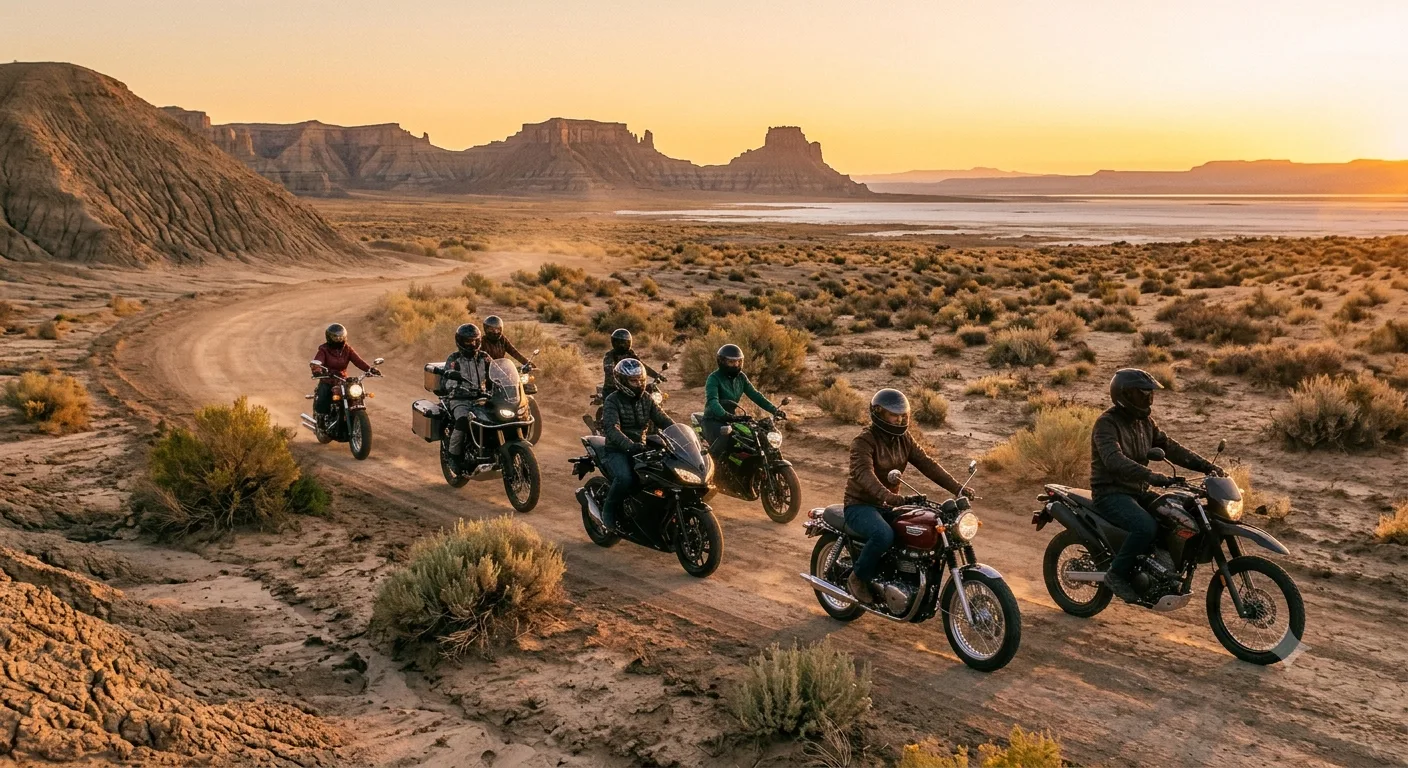
There’s a quiet truth seasoned riders understand instinctively: you can be the most skilled rider in the group and still be the most dangerous one there. Group riding isn’t a talent show; it is a collective exercise in discipline, awareness, and restraint. Skill keeps you upright, but etiquette keeps everyone upright. The moment riders forget that distinction, group rides begin to unravel quickly. Skill Versus Collective Responsibility Skill is individual; etiquette is collective. Riding skill involves throttle control, braking finesse, and cornering confidence, but group etiquette is rooted in predictability. Within a group, unpredictability becomes the real enemy. A rider who accelerates randomly, changes lanes without signalling, or brakes abruptly creates a ripple effect through the formation. Someone always pays for that inconsistency, while etiquette smooths the ride in ways skill alone never can. The Purpose of Staggered Formation The staggered formation exists for a reason: safety. It preserves visibility, creates escape space, and maintains adequate braking distance for every rider. When new riders unintentionally break formation by riding side by side or bunching too closely, they reduce reaction time for everyone. Proper spacing is respect in motion, not a suggestion. If you cannot maintain formation, you are not relaxed; you are placing others at risk. Why Hand Signals Still Matter Hand signals remain relevant because they are reliable. Indicators can fail, communication devices can glitch, and phones can die, but hand signals continue to work. These simple gestures communicate hazards, fuel stops, slowing traffic, and changes in formation. The real discipline lies not only in using them but in passing them back consistently. Group riding functions like a chain, and when communication breaks at any point, confusion spreads rapidly. Defined Roles Keep Order Intact Ride captains and sweep riders exist to maintain structure. The captain sets the pace, reads traffic conditions, anticipates stops, and keeps egos in check, while the sweep rider watches the rear, manages breakdowns, and communicates issues forward. Ignoring these roles is not independence; it is a lack of discipline. When riders begin to freelance within a group, cohesion disappears and disorder quickly takes over. The Importance of Pace Discipline Pace discipline is a quiet skill that often goes unnoticed but saves lives. The fastest rider must remember that others do not see the road the same way. A well-managed group pace feels slow to the fastest rider and comfortable to the slowest, and that balance is intentional. Pushing the pace fractures the group, while maintaining it builds trust and consistency among all riders. Regrouping Builds Cohesion Fuel stops, breaks, and regrouping define the group’s cohesion. Riders should regroup after turns, wait at designated stops, and ensure everyone is accounted for before moving again. Nothing damages morale faster than leaving someone behind. Groups that rush lose riders, while groups that wait build loyalty and trust that lasts far beyond the ride itself. Ego as the Greatest Risk Ego remains the most consistent hazard in group riding. The belief that one knows the road better or rides faster undermines collective safety. The road does not reward ego; it punishes it quietly. The most effective riders are not the fastest but the most predictable and aware of others in groups.